Enforcing Virtual Boundaries with Digital Geofencing
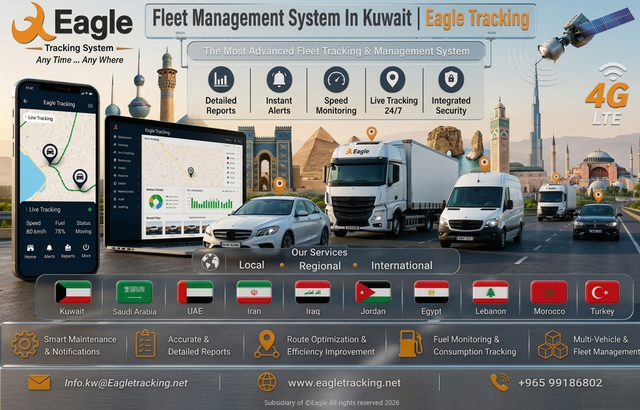
[img]https://i.ibb.co/d40MtmMZ/GPStracking-in-kuwait-and-MENA.png[/img] High-value heavy machinery left on remote constr ..

 تحميل محتوى الموضوع
 عرض نسخة صالحة للطباعة
 أرسل هذا الموضوع إلى صديق
-
18-07-2026 03:41 مساء

-
-

-
عضو جديد

-
معلومات الكاتب ▼تاريخ الإنضمام : 13-11-2025رقم العضوية : 211المشاركات : 37الدولة : الكويتالجنس :
 تاريخ الميلاد : 1-1-1990الدعوات : 1قوة السمعة : 10
-
-
 High-value heavy machinery left on remote construction sites or unmonitored yards represents a constant target for theft and unauthorized use. The loss of a single excavator or crane involves far more than the replacement cost; it disrupts project timelines and leads to severe late-completion penalties. Relying on basic site security guards often fails to protect assets against organized theft or unauthorized after-hours use. Advanced tracking systems provide robust, automated security features that safeguard machinery investments around the clock.
Digital geofencing allows fleet managers to draw precise virtual boundaries around active job sites, storage yards, and approved transit routes. The tracking hardware monitors asset positions continuously, fleet management solutions triggering immediate a*lerts if a machine moves outside its designated area without authorization. This immediate notification allows security teams to coordinate with local law enforcement rapidly, drastically increasing the chances of recovering the stolen asset before it is dismantled.
Preventing Unauthorized Engine Starts via Remote Immobilization
Physical locks can be bypassed by experienced thieves, but digital security mechanisms offer a much higher level of asset protection. Modern tracking platforms feature remote starter interlock capabilities that allow managers to disable a machine's ignition system directly from an online dashboard. Fleet directors can configure the system to immobilize machinery automatically during weekends or off-hours. This feature prevents unauthorized engine starts completely, keeping valuable equipment exactly where it belongs.
Unifying Long-Distance Regional Transport Networks Successfully
Succeeding in the competitive North African logistics sector requires overcoming significant geographical and administrative challenges. Implementing an integrated fleet management ecosystem gives logistics providers the precise field data required to optimize routing, maintain vehicle health, and secure cargo. This data-driven approach allows transport businesses to lower daily operating costs, improve delivery reliability, and build a highly scalable regional logistics network.
|
الكلمات الدلالية
|
| لا يوجد كلمات دلالية .. |
«
Driver Behavior and the Cost of Risk
|
Securing High Resale Value with Automated Maintenance Logs
»
الساعة الآن 09:48 صباحا